




























Sewing Machine Servicing & Repairs: What’s Involved and How Often
A quality sewing machine is designed to provide years of reliable use, but regular maintenance helps it perform as intended. Lint accumulates, lubrication can deteriorate, and components may gradually move out of adjustment through normal use.
Regular sewing machine servicing gives a technician the opportunity to clean, inspect, test and adjust the machine before minor changes begin affecting stitch quality or reliability. Sewing machine repairs, by comparison, are needed when a specific fault or damaged component must be diagnosed and corrected.
Understanding the difference, knowing how often to arrange sewing machine servicing in NZ, and recognising early signs of a problem can help you look after your machine properly and reduce unnecessary disruption to your sewing.

Why Does a Sewing Machine Need Regular Servicing?
A sewing machine relies on a series of mechanical components working together with considerable precision. The needle, hook, bobbin system, feed mechanism and tension system all have a role in forming and controlling each stitch.
Regular sewing naturally introduces lint, thread fibres and dust into the machine, particularly around the bobbin and feed areas. Lubrication can also deteriorate over time, while repeated use can gradually affect settings and mechanical adjustments.
These changes are not always immediately obvious. A machine may keep sewing while becoming noisier, less consistent, or harder to use. Eventually, you may notice skipped stitches, thread breakage, inconsistent tension, or changes in how fabric feeds through the machine.
Routine sewing machine servicing is about more than fixing an existing fault. It also gives you a chance to inspect the machine, address normal wear, and make the adjustments needed to keep it running reliably.
For a high-quality machine you intend to use for many years, consider preventative maintenance part of ownership.

Sewing Machine Servicing vs Sewing Machine Repairs
Servicing and repairs are related, but they address different needs. Routine servicing focuses on maintenance and adjustment. The technician inspects, cleans, lubricates where required, calibrates, and tests the machine so its main systems operate correctly.
Sewing machine repairs are needed when a specific fault must be diagnosed. This could involve a damaged or worn component, a mechanical issue or another problem that prevents the machine from operating as it should.
The two can overlap. A technician may identify a repair need during routine servicing, while a machine brought in for a specific fault may also benefit from servicing once the repair is complete.
If your machine is operating normally but is due for maintenance, book a service. If something has stopped working correctly, explain the symptoms when you bring the machine in so the technician can investigate the fault.
What Is Included in Sewing Machine Servicing?
The exact work required depends on the machine, its condition, and the manufacturer's specifications. However, a thorough service involves considerably more than removing visible lint.
Software Updates
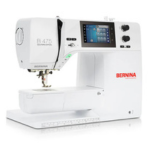
Included in all BERNINA services at no extra charge, we ensure your machine features the latest updates to sew, embroider and quilt better than ever, while ensuring your machine is compatible with as many new-release accessories as possible
Internal Cleaning
Lint and dust can accumulate inside a sewing machine as fabric and thread pass through it. Areas around the bobbin, hook and feed mechanism are particularly susceptible. Servicing lets technicians properly inspect and clean these areas and other internal components, rather than limiting maintenance to parts accessible during everyday use.
Lubrication
Moving mechanical components need to operate smoothly. Where appropriate for the particular machine, a technician can check lubrication and apply the correct products in the correct locations. Modern machines vary considerably in their lubrication requirements, which is why internal maintenance should follow the manufacturer's recommendations rather than a generic approach.
Tension & Stitch Formation
Balanced thread tension is essential to consistent stitch formation. During servicing, technicians can check and adjust the upper and bobbin thread systems as needed. If you notice changes in stitch quality, looping, or inconsistent tension, tell the technician when the machine is booked in. That information can help with diagnosis and testing.
Needle & Hook Timing
The needle and hook must interact at the correct point in the stitch cycle. If the timing is incorrect, the machine may skip stitches or fail to form them reliably. A service visit provides an opportunity to check this relationship and make adjustments as needed.
Feed & Presser Foot Operation
The feed system controls how fabric moves through the machine, while the presser foot holds the material appropriately during sewing. Inspect feed dogs, presser foot operation, and related mechanisms to ensure the fabric is handled consistently.
Functional Testing
After servicing or repairs, test the machine to confirm its functions operate correctly and stitch formation is consistent. This final stage matters because adjustments must work together under actual sewing conditions, not just look correct when the machine is stationary.
How Often Should You Service a Sewing Machine?
As a general guide, we recommend servicing sewing machines for NZ owners about every 12 to 18 months. How often your particular machine needs attention depends on how much you use it and the type of sewing you do. A machine used most days will likely need attention sooner than one used occasionally.
The materials you work with can also make a difference. Projects that generate considerable lint or involve frequent, sustained machine use may require more frequent cleaning and maintenance. Also consider manufacturer recommendations, especially for more advanced sewing and embroidery machines.
For Bernina servicing, following the appropriate maintenance requirements helps protect the performance and precision you expect from the machine, rather than waiting until a noticeable fault develops.
BERNINA sewing machines purchased from The Ribbon Rose include 2 free services: one after 12 months and the next after 24 months.
Signs Your Sewing Machine May Need Attention
You don't necessarily need to wait for your regular service interval if the machine starts behaving differently.
Common warning signs include:
-
skipped stitches that persist after checking the needle and threading
-
frequent or unexplained thread breakage
-
unusual clicking, grinding or changes in operating noise
-
inconsistent stitch formation or tension
-
fabric no longer feeding as smoothly as expected
-
a machine that feels noticeably different or less responsive during use
-
recurring problems that remain after normal user maintenance and rethreading
Not every stitching problem means the machine requires a repair. An incorrectly inserted or worn needle, unsuitable thread, incorrect threading or an inappropriate machine setting can produce similar symptoms.
If basic checks don't resolve the problem, having the machine assessed can prevent continued sewing from worsening an underlying mechanical issue.
What Sewing Machine Maintenance Can You Do at Home?
Routine owner maintenance remains important between services.
Removing lint from accessible areas, changing needles regularly and keeping the machine clean can all support reliable operation. Always follow the maintenance instructions for your specific make and model, especially for cleaning and lubrication.
Avoid dismantling parts of the machine that are not intended for user access. Modern sewing machines can combine precise mechanical assemblies with sophisticated electronic components, and trying to fix an internal fault without the right knowledge can create additional problems.
If cleaning, rethreading, changing the needle, and checking the machine settings don't resolve the issue, consider a technician rather than continuing to adjust it.
What Should You Bring When Your Sewing Machine Is Serviced?
Providing the technician with the right information can make diagnosis easier, particularly when the problem is intermittent.
Note exactly what the machine has been doing and when the problem occurs. If an issue appears only with a particular stitch, thread, fabric or function, mention this when you bring the machine in.
Depending on the fault and machine type, the service team may also advise you to bring particular accessories or components used when the issue occurs.
For routine service, check with the service centre beforehand about what needs to accompany the machine, rather than transporting accessories that aren't required.
Bernina Servicing at The Ribbon Rose
The Ribbon Rose provides on-site sewing machine servicing and repairs with two full-time service technicians.
For Bernina servicing, our Bernina-trained technicians have access to Bernina parts and the specialist knowledge required to assess, maintain and repair these machines correctly. On-site servicing also lets our team manage the process directly, rather than sending your machine elsewhere for assessment.
Whether your machine is due for routine maintenance or you have noticed a change in its performance, getting it checked early can help identify what is needed and keep it operating reliably.
Contact The Ribbon Rose to discuss sewing machine repairs in NZ or book your next service.