






Free Knitting Patterns: Where to Start and How to Choose Your Yarn
A good knitting pattern should give you more than a set of instructions. It should tell you the yarn weight, needle size, gauge, techniques, and quantities required, so you can choose the right materials before you cast on.
Free knitting patterns are a useful starting point when you are deciding what to make next. Whether you are looking for a straightforward project or something that introduces a new technique, taking a few minutes now to understand what to look for in a pattern can save you from choosing yarn or needles that won’t deliver the intended result.
Once you have an idea of the right approach, you can browse free knitting patterns and use the pattern specifications to find the yarn, needles and other materials you need to get started.
How to Choose a Free Knitting Pattern
Finding a design you want to make is the obvious first step, but it should not be the only consideration. Before choosing from the many free knitting patterns available, read the full pattern and check exactly what the project involves.
Consider whether the construction method, sizing, yarn requirements and techniques used align with your experience and skill level. For example, a pattern involving cables, colourwork or more involved shaping will require a different level of experience from a simple scarf or beanie.
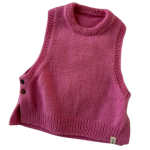
It is also worth checking whether the finished item suits how you intend to use it. For garments, look closely at finished measurements and fit. For accessories and homewares, consider the size, texture and structure of the finished piece. Choosing carefully at this stage gives you a much better foundation for selecting your materials.

Check the Yarn Requirements Before You Start
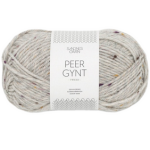
Once you have chosen your pattern, look at the recommended yarn before buying anything. This is one of the most important pieces of information in knitting patterns NZ makers should pay attention to.
The pattern should specify a yarn weight and the quantity required for the project. Depending on the design, it may also recommend a particular fibre or yarn because of the way it behaves once knitted.
Using the correct yarn weight helps you achieve the intended dimensions and fabric. Fibre choice can influence warmth, drape, elasticity, texture and durability, so think about the finished item rather than choosing on colour alone.
You don’t necessarily have to use the exact yarn named in a pattern. However, any substitution should offer comparable characteristics if you want to end up with a similar result.
Understanding Yarn Weight and Gauge
Yarn weight describes the thickness of the yarn, and this has a direct influence on the density and appearance of your knitting. Choosing a substantially heavier or lighter yarn than the pattern recommends can change both the size and structure of the finished piece.
Gauge tells you how many stitches and rows should fit within a specified measurement when using the recommended yarn and needle combination. This information is especially important for garments and fitted pieces. Even a small gauge difference can add up across the width or length of an entire project.
Before committing to a larger piece, it’s a good idea to knit a gauge swatch using your chosen yarn and needles. If your gauge doesn't match the pattern, you may need to adjust your needle size before you go any further.
Match Your Knitting Needles to Your Pattern and Yarn
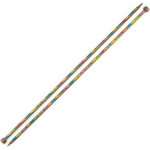
Most patterns specify a recommended needle size, giving you a sensible starting point for achieving the required gauge.
However, needle size is a recommendation, not a guarantee. Knitting tension varies between makers, so you may need to move up or down a needle size based on your gauge swatch.
The project's construction can also determine the type of needles required. Depending on the pattern, you might need straight, circular or double-pointed needles, as well as different sizes for elements such as cuffs, ribbing or necklines.
Check the full materials list before you start so you know that you have the right needles for each stage of your project.
Choose a Pattern That Matches Your Skill Level
The best project isn't necessarily the simplest. Look for a pattern that matches your existing skills while giving you the opportunity to practise or introduce techniques you actually want to develop.
Beginner knitting patterns will generally use straightforward construction and a manageable range of stitches. They can also be useful for more experienced knitters looking for a quicker project or an uncomplicated way to work with a particular yarn.
More involved patterns may introduce techniques such as cables, lace, colourwork, shaping or knitting in the round. Check the abbreviations and technique notes before choosing your project so you know what's required before you begin.
A clearly written pattern should make it easy to assess whether the project suits you.
What to Look for When Substituting Yarn
With the breadth of excellent yarn available today, substituting the yarn specified in a pattern can give you considerably more choice. The key is finding an alternative that preserves the qualities important to the finished piece.
Start with yarn weight and gauge, then consider fibre composition. Wool, cotton and synthetic fibres can behave very differently when knitted, even when the yarns are technically the same weight.
Think about the characteristics the project needs. A structured garment may require good stitch definition, while a relaxed piece might benefit from more drape. Socks need durability, while a scarf worn against the skin may put softness higher on the list.
Finally, compare metreage rather than simply buying the same number of balls specified in the original pattern. Ball weights and lengths vary between yarns, so calculate the total metreage required before deciding how much of your substitute yarn to buy.
Make More of Your Free Knitting Patterns
Once you understand how to read the yarn, gauge and needle requirements, free knitting patterns become much easier to use as a starting point for your next project. Instead of being restricted to the exact materials shown, you can make informed choices from a much broader range of yarns while still respecting the original design.
It also makes browsing NZ knitting patterns more useful. You can assess a project based on the finished result, techniques and materials required before investing in the yarn and tools to make it.
Find Free Knitting Patterns at The Ribbon Rose
The Ribbon Rose brings patterns, yarn, and knitting supplies together in one place, making it easier to move from choosing a project to finding the right materials.
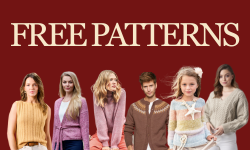
Explore our collection of free knitting patterns, including excellent options from leading brands Sandnes Garn and Rowan, to find your next project, then browse our extensive yarn and needle ranges to match the pattern requirements to the colours, fibres and materials you prefer.
Choose your pattern, check the specifications and find everything you need to get started at The Ribbon Rose.